Magnesium's Normal Functions in the Body
Magnesium is an essential mineral involved in hundreds of biochemical reactions, including those related to normal muscle and nerve function, normal psychological function, and energy-yielding metabolism. Because the nervous system relies on magnesium for normal signalling, the mineral is frequently discussed in the context of relaxation and calm.

The General Relationship With Relaxation
Magnesium is commonly discussed for its role in supporting normal nervous system function and normal muscle relaxation. Some people report that a consistent evening routine that includes a magnesium-containing meal or supplement feels part of winding down, though it's important to be clear about what the evidence does and doesn't say: magnesium is not a treatment for insomnia or any diagnosed sleep disorder, and research on its specific effect on sleep quality in generally healthy adults is still developing.
What's more consistently established is magnesium's broader role in normal, everyday physiological function — supporting the nervous system and muscles as part of general wellness, rather than acting as a sleep aid in the way that phrase is sometimes used.
"Good sleep is built from a combination of habits — magnesium may be one small piece of that picture, not a stand-alone fix."
Lifestyle Factors That Affect Sleep
Sleep quality is shaped by many factors well beyond diet and supplementation. A few of the most well-established ones include:
- Screen time before bed — blue light exposure close to bedtime can affect the body's natural sleep signals.
- Consistent sleep and wake times — a regular schedule supports the body's internal clock.
- Caffeine and alcohol intake — both can interfere with sleep quality, particularly later in the day.
- Physical activity — regular movement during the day is linked to better sleep quality for many people.
Magnesium-Rich Foods
A balanced diet is the first place to look for magnesium. Foods naturally rich in magnesium include:
- Leafy green vegetables — such as spinach and other greens.
- Nuts and seeds — including almonds, cashews, and pumpkin seeds.
- Whole grains — such as whole wheat and brown rice.
- Legumes — including lentils, chickpeas, and beans, staples in many Indian diets.
Supplement Considerations
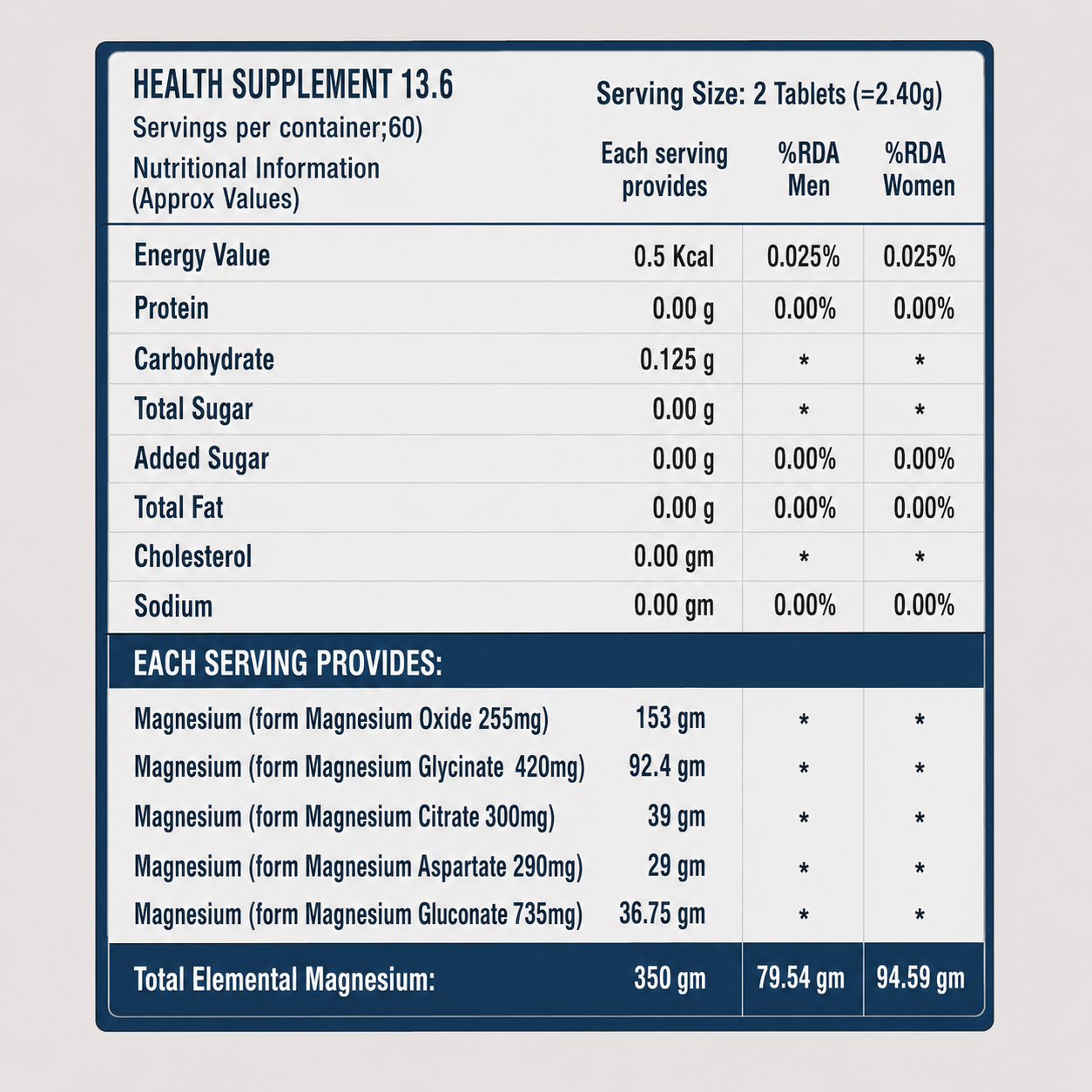
A balanced diet should generally come first when thinking about magnesium intake. For people who feel their diet may fall short, a magnesium supplement — such as the Aiva Wellness Magnesium Complex 5-in-1, which combines five forms of magnesium with calcium, zinc, vitamin D3 and vitamin B6 — can be one way to complement dietary intake as part of a broader wellness routine.
This article is for general educational purposes and is not medical advice. Magnesium is not a treatment for insomnia or any diagnosed sleep or medical condition. This product is not intended to diagnose, treat, cure, or prevent any disease. Please consult your healthcare practitioner before use if you are pregnant, lactating, have kidney concerns, or are managing an existing health condition, and if sleep difficulties persist, speak with a doctor.

Frequently Asked Questions
Magnesium supports normal nervous system and muscle function, which some people associate with relaxation, but it is not a proven treatment for insomnia or sleep disorders. Sleep quality depends on many factors beyond any single nutrient.
Leafy green vegetables, nuts and seeds, whole grains, and legumes such as lentils and chickpeas are all natural dietary sources of magnesium.
Many people include a daily magnesium supplement as part of a wellness routine, but individual needs vary. Speak with a healthcare practitioner about what is appropriate for you, particularly if you have kidney concerns.
No. Magnesium is an essential dietary mineral, not a medication, and it should not be used as a substitute for medical treatment of a diagnosed sleep disorder.
The Takeaway
Magnesium plays a role in normal nervous system and muscle function, and is often discussed as one small part of a relaxed evening routine — alongside diet, consistent sleep habits, and healthy screen-time boundaries. It is not a treatment for sleep disorders, and persistent sleep difficulties are worth discussing with a doctor.
Referenced Research & Sources
- National Institutes of Health, Office of Dietary Supplements — Magnesium Fact Sheet
- Aiva Wellness — Magnesium Complex 5-in-1 product specification sheet
- ICMR (Indian Council of Medical Research) — Nutrient Requirements and RDA for Indians, 2020