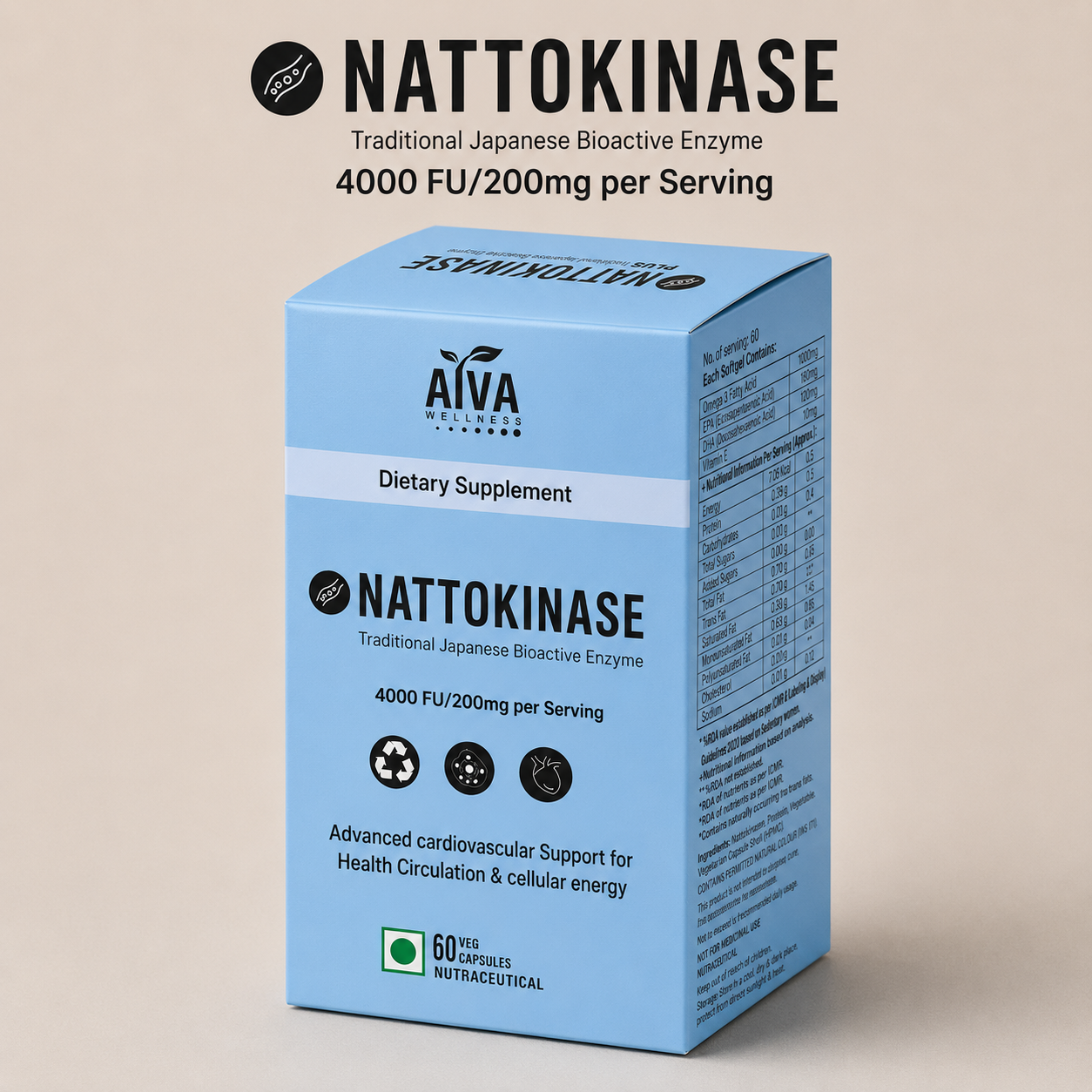
Where Nattokinase Comes From
Nattokinase takes its name from natto, a traditional Japanese food made by fermenting boiled soybeans with the bacterium Bacillus subtilis var. natto. Natto has been eaten in Japan for well over a thousand years, typically at breakfast, and is known for its sticky texture and distinctive aroma — an acquired taste for many people outside Japan.
The enzyme itself was identified much more recently. In 1980, Japanese researcher Dr. Hiroyuki Sumi was screening natural foods for substances that could help dissolve blood clots in laboratory conditions, and nattokinase's activity stood out clearly from everything else he tested.
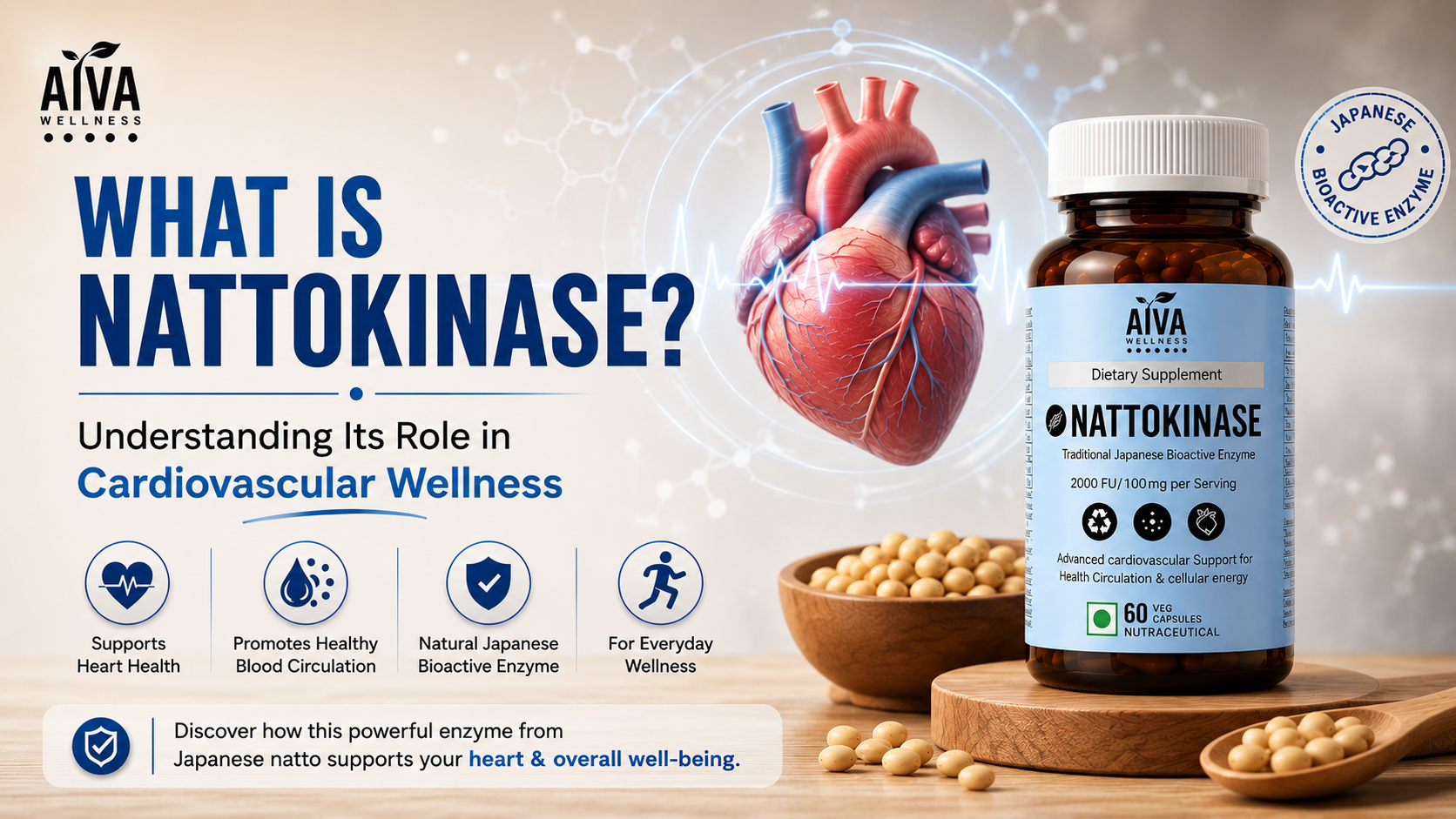
The General Science Background
Despite the name, nattokinase is not technically a "kinase" enzyme in the strict biochemical sense — it belongs to a group called serine proteases. It's a protein made up of 275 amino acids, produced naturally by the fermenting bacteria as part of the natto-making process. Raw, unfermented soybeans do not contain it; the enzyme only appears once fermentation has taken place.
Because it's produced through fermentation rather than chemical synthesis, nattokinase is generally categorised as a natural, food-derived compound, which is part of why it has attracted interest from people looking for plant- and food-based options in their wellness routines.
Why It Comes Up in Cardiovascular Wellness
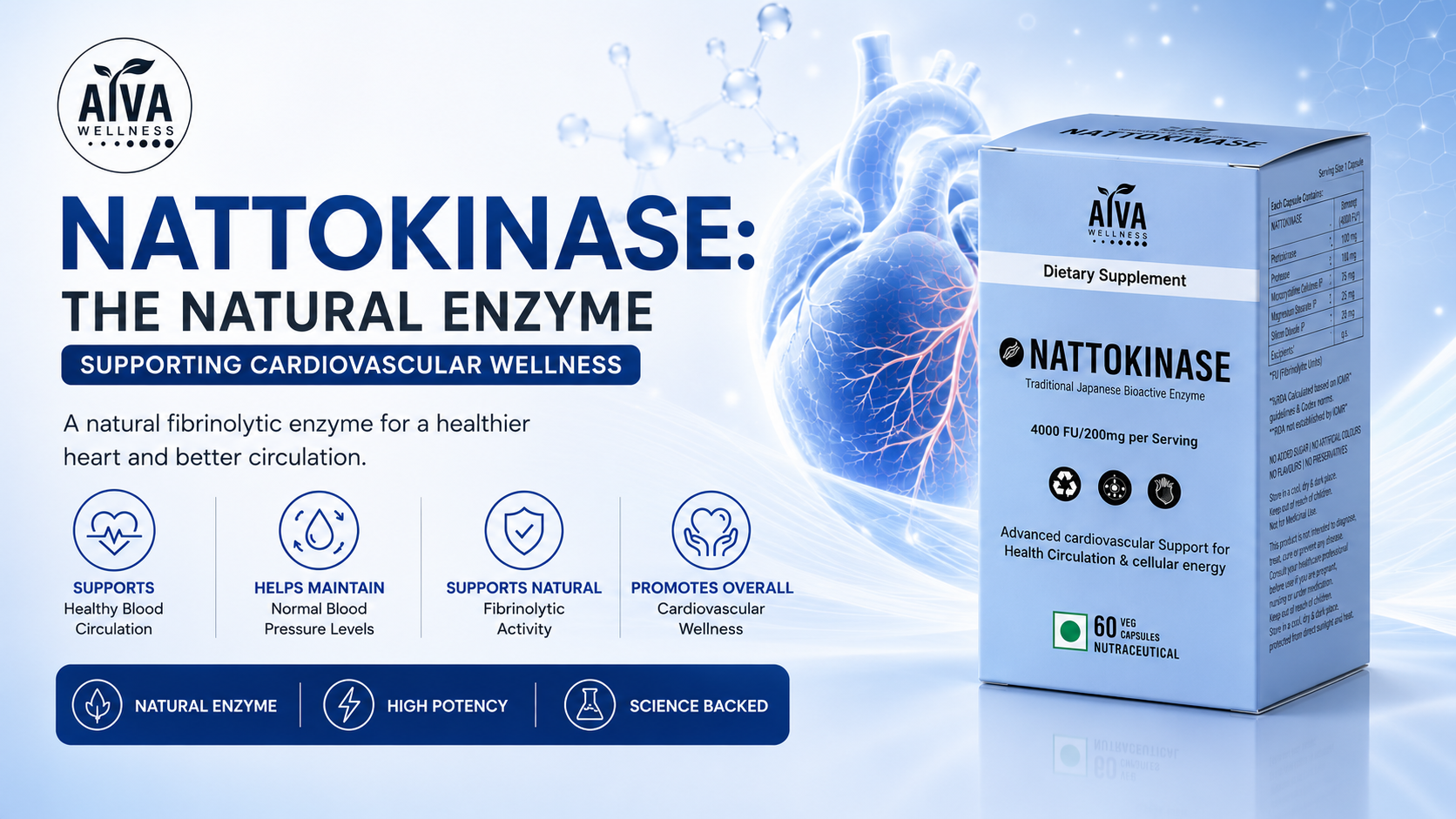
Nattokinase belongs to a class of enzymes known as fibrinolytic enzymes — enzymes that are studied for their potential role in supporting the body's natural process of breaking down fibrin, a protein involved in blood clot formation. This is the main reason nattokinase is discussed in the context of cardiovascular wellness, and why it has become a frequent subject of laboratory and clinical research over the past few decades.
- Lab research is ongoing into how nattokinase interacts with the body's clot-clearing pathways.
- Cardiovascular wellness is an area of active scientific interest, though nattokinase should be seen as a complement to — not a replacement for — medical care and a heart-conscious lifestyle.
- Natural origin is a key part of its appeal for people exploring food-derived wellness options.
If you'd like a closer look at what the clinical research specifically shows, our in-depth article on nattokinase and cardiovascular wellness covers the available studies in more detail.
From Food to Supplement
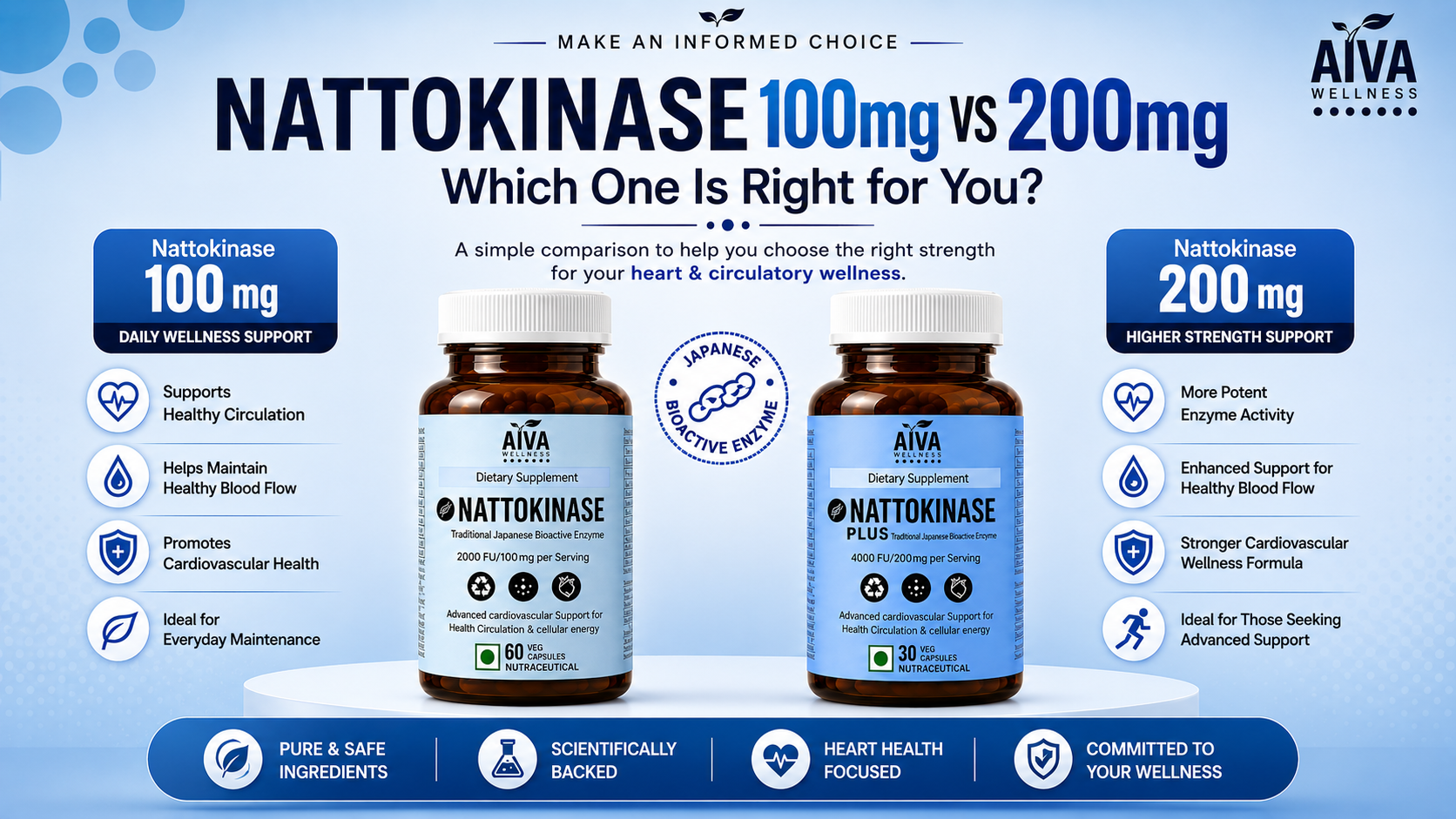
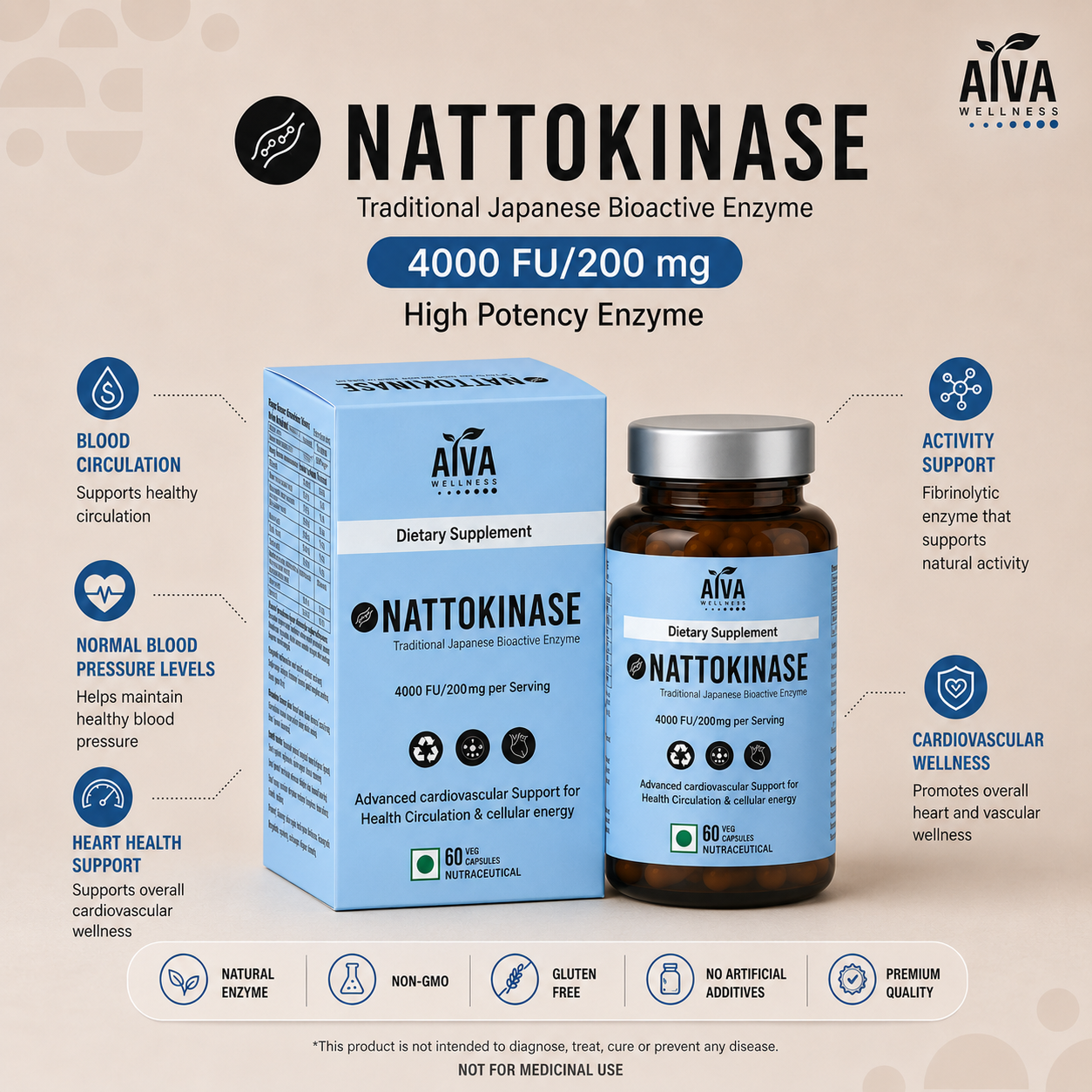
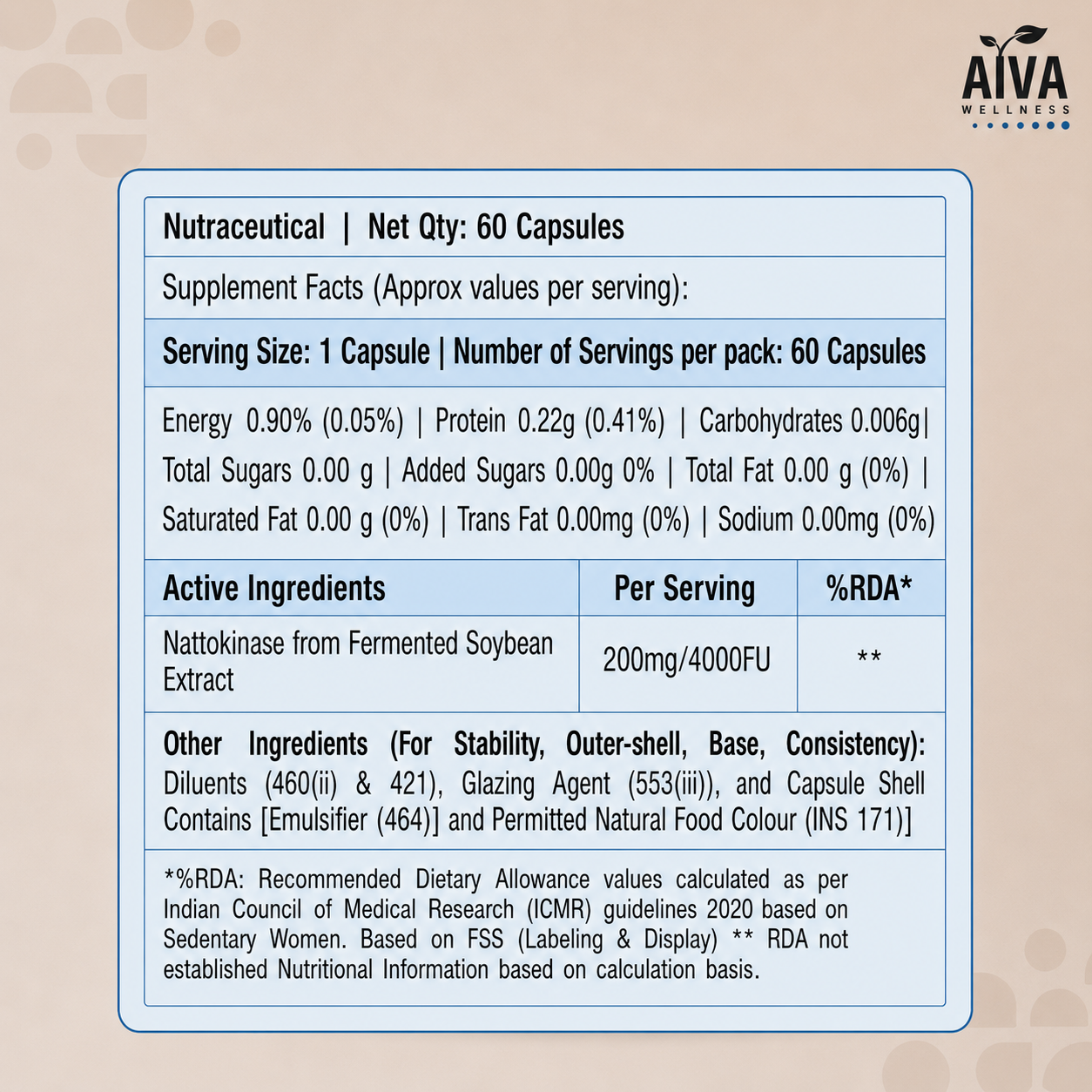
In supplement form, nattokinase is standardised and measured in Fibrinolytic Units (FU) so that each capsule delivers a consistent, measurable amount of enzyme activity — without needing to eat natto itself. This makes it considerably more convenient for people who want to explore the enzyme without the taste and texture that natto is known for.
When choosing a nattokinase supplement, it's worth looking for standardised FU potency, a short and transparent ingredients list, and clear allergen labelling, since the enzyme is soy-derived.
This article is for general educational purposes and is not medical advice. Nattokinase may interact with blood-thinning medication and is not suitable for everyone, including people with bleeding or clotting disorders, those scheduled for surgery, and anyone with a history of stroke. Please consult your doctor before starting any new supplement, particularly if you are pregnant, breastfeeding, on medication, or managing an existing health condition.
Safety Considerations
Nattokinase has a long history of dietary use in Japan through natto itself, but supplement forms are more concentrated than food, so the same care that applies to any new supplement applies here. Speak with a healthcare professional before starting nattokinase, particularly if you take blood-thinning medication or have a diagnosed heart condition, and always follow the dosage on the product label.
Frequently Asked Questions
Not exactly. Natto is the whole fermented food, while nattokinase supplements contain a standardised, concentrated form of just the enzyme, measured in Fibrinolytic Units for consistency.
It is produced when soybeans are fermented with the bacterium Bacillus subtilis var. natto to make natto, a traditional Japanese food. The enzyme forms only during fermentation.
Yes, it is derived from a fermented food with a long history of dietary use in Japan, rather than being chemically synthesised.
Japanese researcher Dr. Hiroyuki Sumi identified nattokinase in 1980 while screening natural foods for clot-dissolving activity in laboratory research.
The Takeaway
Nattokinase is a naturally derived enzyme with centuries of dietary history behind it and a growing body of modern research exploring its role in cardiovascular wellness. As with any supplement, the best next step is an informed conversation with your doctor.
Referenced Research & Sources
- Wikipedia — Nattokinase
- Memorial Sloan Kettering Cancer Center — Nattokinase, About Herbs database
- ScienceDirect Topics — Natto: an overview