How Vitamin D and Calcium Work Together
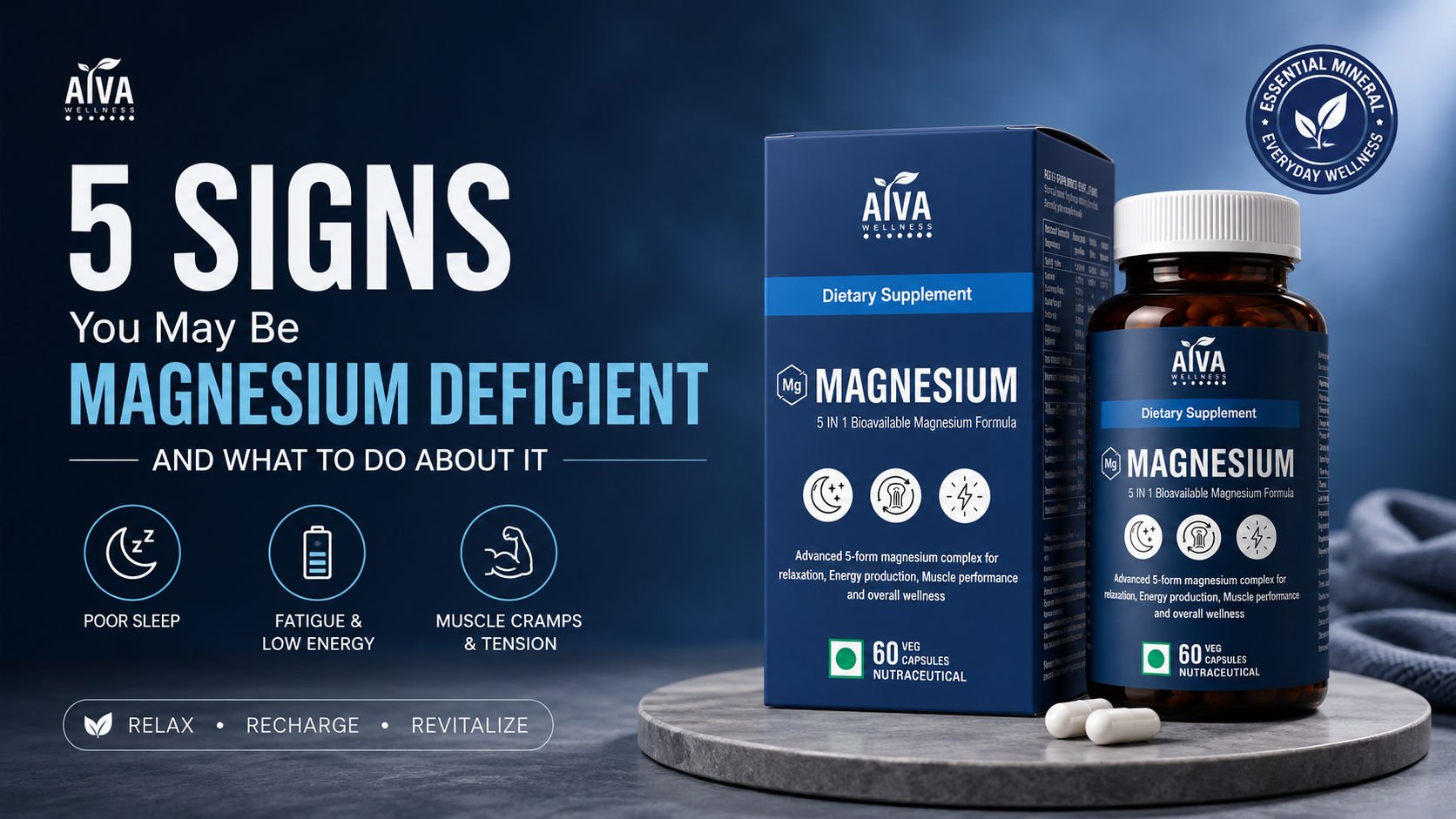
Bone is a living tissue that's constantly being broken down and rebuilt, and calcium is its primary structural mineral. But calcium alone isn't enough — the body needs vitamin D to effectively absorb calcium from the digestive tract. Without adequate vitamin D, even a calcium-rich diet may not translate into the calcium levels the body needs for normal bone maintenance. This is why the two are so often discussed together in the context of bone health.
Supporting Normal Bone Health
Bone density naturally peaks in early adulthood and gradually declines with age — a normal part of ageing that tends to accelerate in certain groups, including postmenopausal women. Adequate vitamin D and calcium intake, alongside other lifestyle factors, is commonly discussed as part of supporting normal bone health throughout adulthood, rather than as a way to reverse age-related changes.
Lifestyle Factors That Support Bones
Beyond vitamin D and calcium, a few other factors are generally recognised as supportive of bone health:
- Weight-bearing exercise — activities like walking, jogging, and resistance training place healthy stress on bones, which can help support bone density.
- Limiting smoking and excess alcohol — both are associated with reduced bone density over time.
- Adequate protein intake — protein is a structural component of bone tissue alongside minerals.
Food and Sunlight Sources
Calcium is found in dairy products, fortified plant milks, leafy greens, and sesame seeds, among other foods common in Indian diets. Vitamin D, as covered in our introduction to vitamin D3, comes primarily from sunlight exposure, with smaller amounts from oily fish, egg yolks, and fortified foods.
This article is for general educational purposes and is not medical advice, and does not diagnose or treat osteoporosis or any other bone condition. Please consult your doctor for personalised guidance on bone health, especially if you have risk factors or a family history of bone density issues.
When to Discuss Supplementation With a Doctor
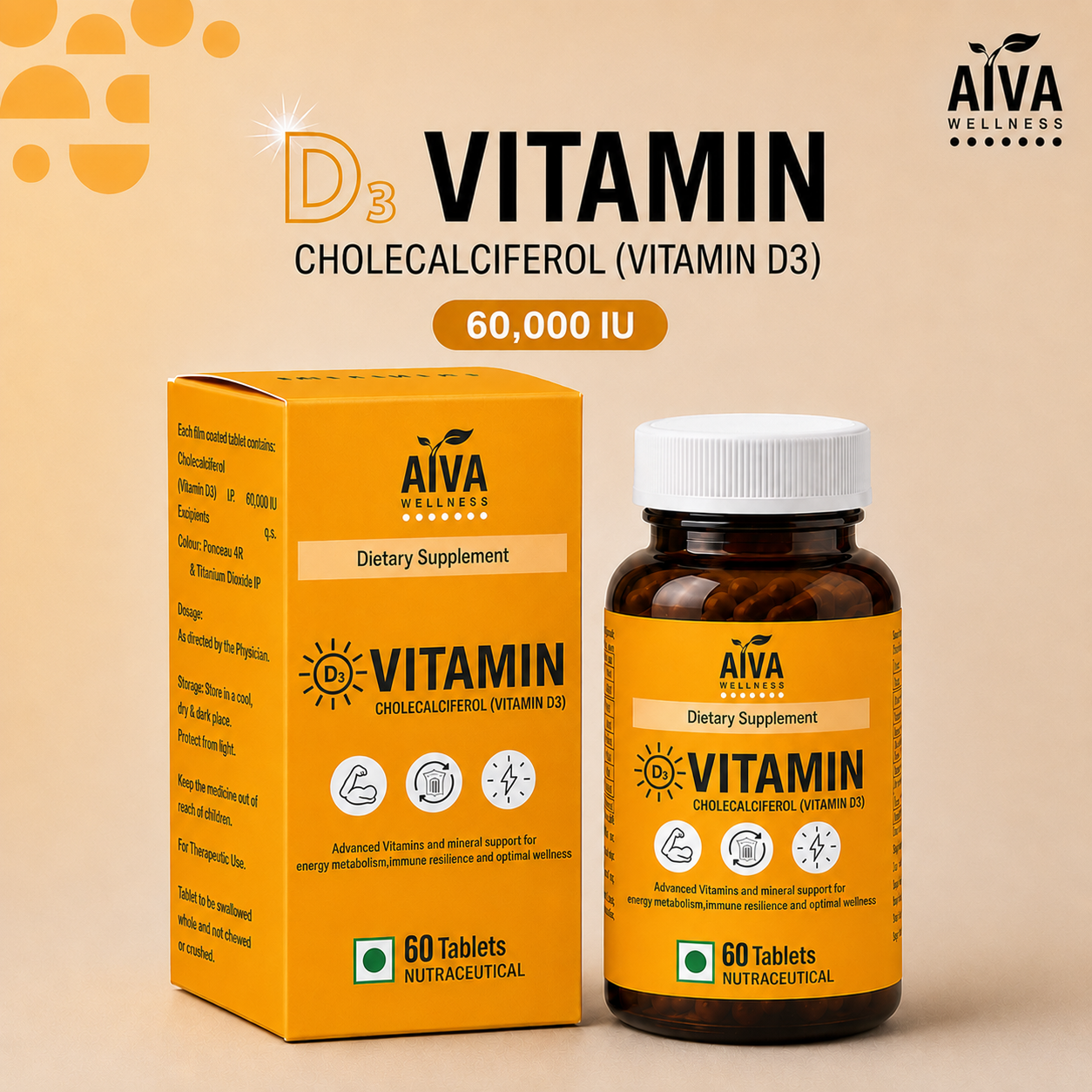
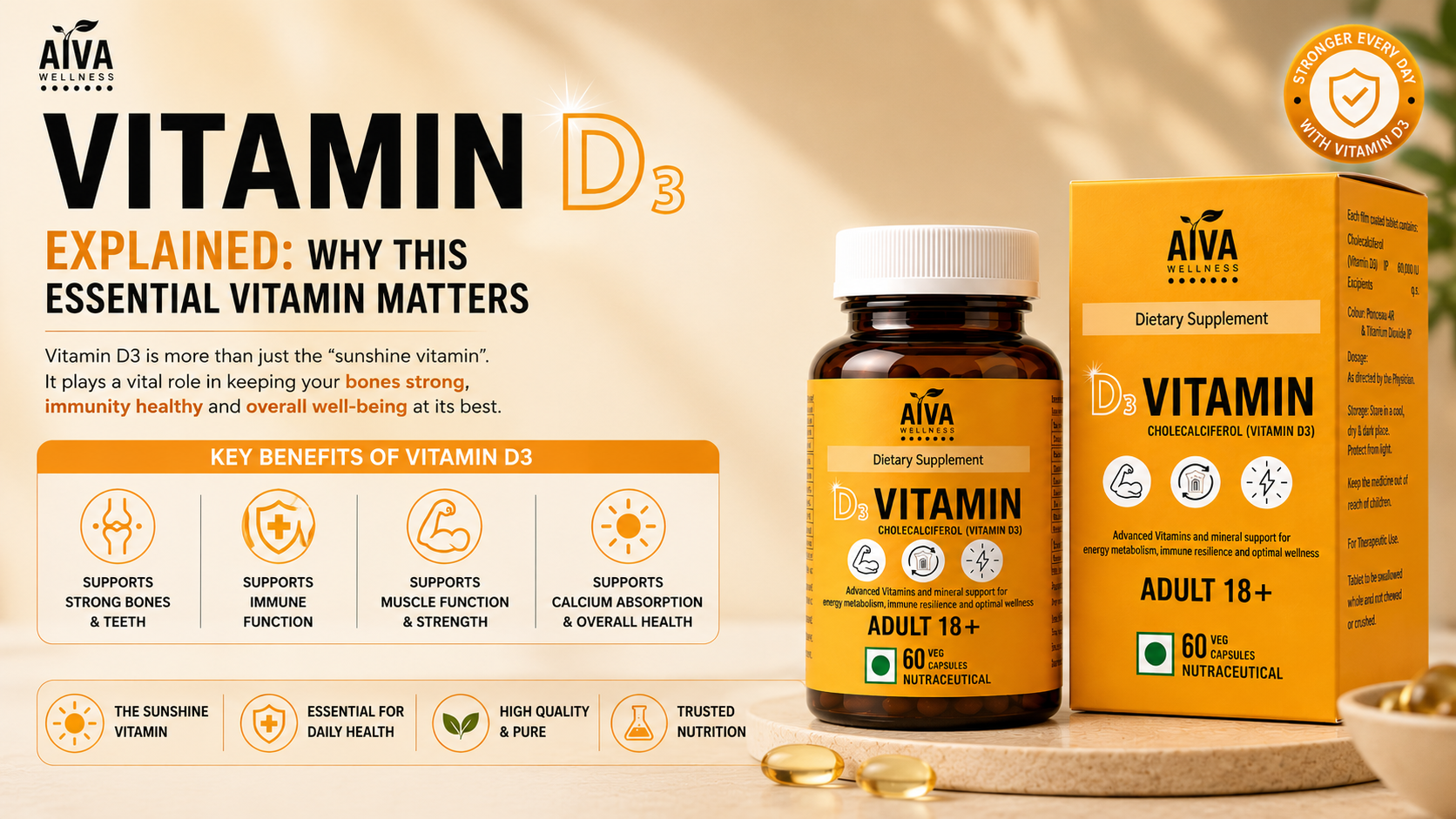
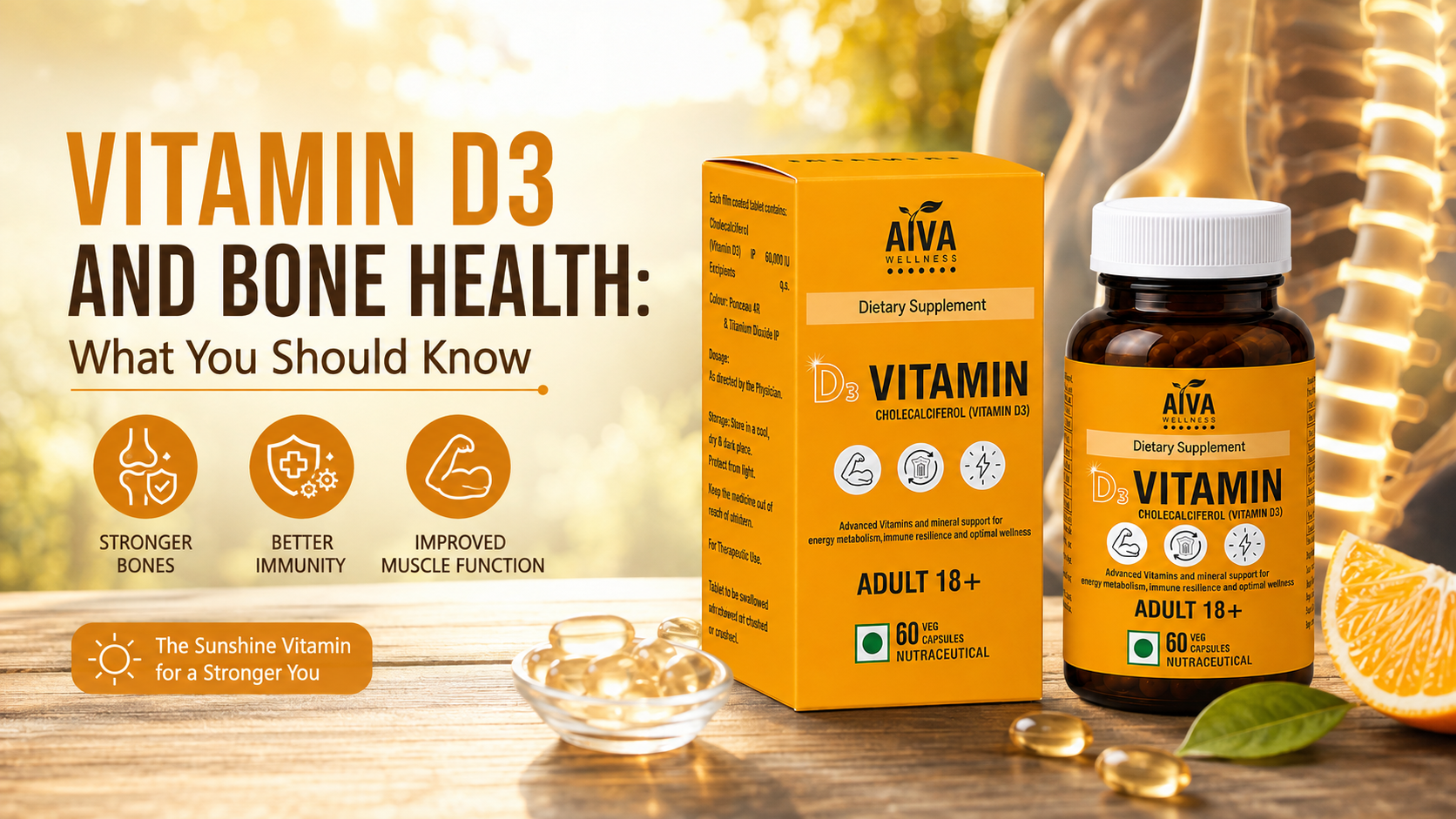
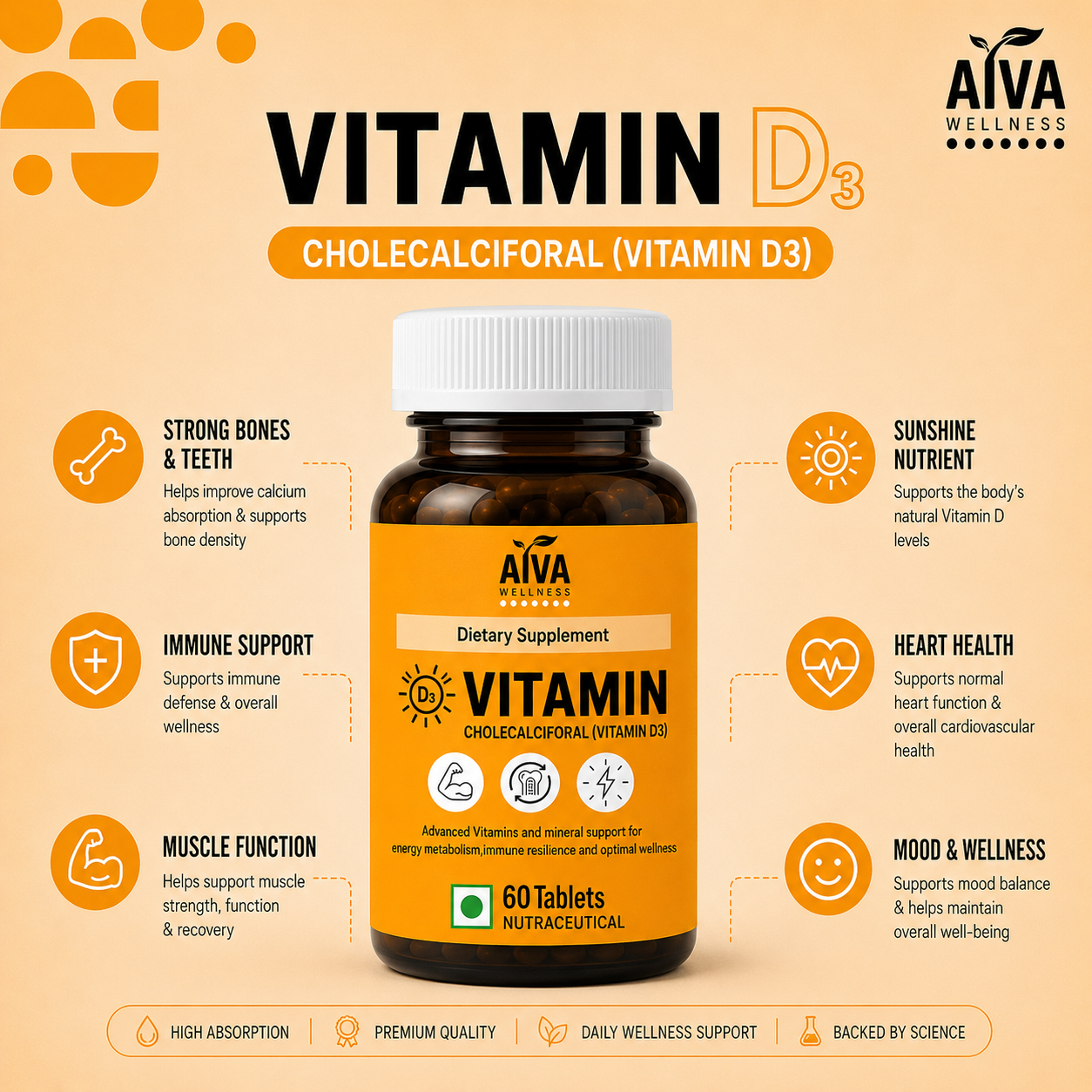
Many people meet their vitamin D and calcium needs through diet and sun exposure, but some — including older adults, those with limited sun exposure, and postmenopausal women — may have their vitamin D levels checked and discuss supplementation with a doctor. The Aiva Wellness Vitamin D3 (Cholecalciferol IP) 60,000 IU tablet is a therapeutic-use product intended for adults 18+, to be taken strictly as directed by a Registered Medical Practitioner — typically prescribed after a blood test confirms low vitamin D levels, rather than taken as a routine daily vitamin.
Frequently Asked Questions
Vitamin D helps the body absorb calcium from the digestive tract. Without adequate vitamin D, even a calcium-rich diet may not translate into the calcium levels the body needs for normal bone maintenance.
Older adults, people with limited sun exposure, and postmenopausal women are commonly discussed as groups who may be more likely to have lower vitamin D levels, though anyone can be affected.
No. According to the product label, this is a therapeutic-use product to be taken strictly as directed by a Registered Medical Practitioner, typically after a blood test confirms a deficiency.
Weight-bearing activities such as walking, jogging, and resistance training place healthy stress on bones and are commonly recommended as part of supporting bone density.
The Takeaway
Vitamin D and calcium work together to support normal bone health, alongside weight-bearing exercise and a balanced diet. If you're considering a higher-dose vitamin D supplement, that's a conversation to have with your doctor, ideally alongside a blood test to check your current levels.
Referenced Research & Sources
- National Institutes of Health, Office of Dietary Supplements — Calcium Fact Sheet
- National Institutes of Health, Office of Dietary Supplements — Vitamin D Fact Sheet
- Aiva Wellness — Vitamin D3 60,000 IU product specification sheet