Why a Daily Multivitamin Still Matters
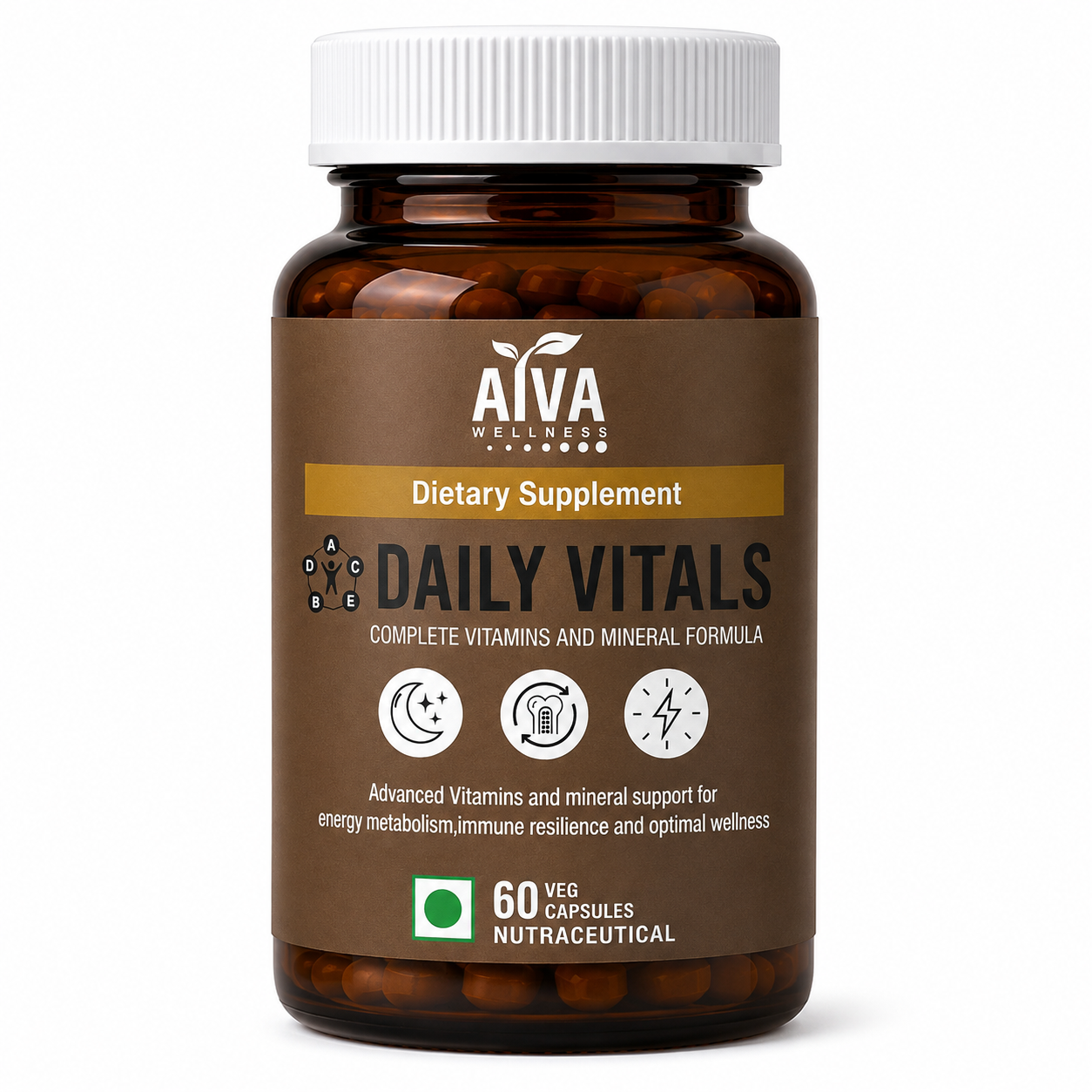
A daily multivitamin is designed to do one simple job: cover the nutritional blind spots that a normal diet, however balanced it feels, tends to leave behind. Vitamins like B12 and minerals like iron, zinc, and iodine are involved in everything from energy metabolism and immune defence to cognitive function and thyroid health — yet they're also among the nutrients people most commonly under-consume.
According to the U.S. Office of Dietary Supplements, national dietary surveys consistently show that a large share of adults do not meet the recommended intake for several core vitamins and minerals from food alone, even in populations with reasonable access to a varied diet. Unlike an acute illness, this kind of shortfall tends to build gradually — which is exactly why it's easy to overlook.
5 Signs Your Body Needs a Daily Multivitamin
Because vitamins and minerals support so many different systems at once, an ongoing shortfall can show up in ways that are easy to write off as "just being busy" or "just getting older." Here are five signs worth paying attention to:
- Persistent fatigue and low energy — B vitamins and iron play a direct role in how the body converts food into usable energy, so ongoing tiredness despite adequate sleep can point to a gap.
- Getting sick often or recovering slowly — vitamin C, vitamin D, and zinc all support normal immune function, and low levels are commonly linked with more frequent colds or longer recovery times.
- Brittle nails, hair thinning, or dull skin — biotin, zinc, and several B vitamins support keratin production and skin cell turnover, so visible changes here can reflect an underlying nutrient shortfall.
- Trouble focusing or mild brain fog — vitamin B12 and iron are both essential for normal cognitive function, and even mild deficiency has been associated with difficulty concentrating.
- Muscle weakness or bone and joint discomfort — vitamin D and calcium support muscle and bone health, and low vitamin D status in particular is common in people with limited sun exposure.
"A nutrient gap doesn't announce itself with one clear symptom — it shows up as the energy that never quite bounces back, the cold that lingers a week too long, the focus that keeps slipping by mid-afternoon."
Why Nutrient Gaps Are So Common
It can be surprising that shortfalls in basic vitamins and minerals are still this widespread, but a few everyday factors explain why:
Put together, the takeaway is simple: even people who consider their diet reasonably healthy can still be running a quiet deficit in one or more nutrients, simply because of how modern routines and food choices work.
Who Benefits Most From a Daily Multivitamin
While anyone can have a nutrient gap, a few groups tend to see the most noticeable benefit from a daily multivitamin:
- Busy professionals: irregular meals and high stress increase the odds of falling short on B vitamins and magnesium.
- Vegetarians and vegans: plant-based diets can make it harder to get enough vitamin B12, iron, and zinc from food alone.
- Women of reproductive age: monthly iron losses and higher folate needs make consistent intake especially important.
- Older adults: absorption of nutrients like B12 and vitamin D naturally becomes less efficient with age.
This article is for general educational purposes and is not medical advice. A multivitamin is meant to complement — not replace — a balanced diet. Please consult your doctor before starting any new supplement, especially if you are pregnant, breastfeeding, on medication, or managing an existing health condition. Always follow the dosage on the product label.
Choosing a Quality Daily Multivitamin
Multivitamins vary widely in what they actually deliver. When choosing one, look for:
- Complete, meaningful doses — a formula that covers the core vitamins and minerals at levels close to daily recommended values, not just a token amount of each.
- Bioavailable nutrient forms — forms like methylcobalamin B12 and chelated minerals are generally easier for the body to absorb and use.
- No unnecessary fillers or binders — a clean label means more of the capsule is doing actual work.
- Third-party tested manufacturing — for purity, safety, and batch-to-batch consistency you can rely on daily.
Frequently Asked Questions
Common signs include ongoing fatigue, brittle hair or nails, frequent colds or slow recovery, difficulty concentrating, and pale or dull-looking skin. These signs are non-specific, so they're best confirmed with a blood test and your doctor's advice.
In theory yes, but in practice most adults fall short of at least one key nutrient such as vitamin D, B12, or iron. A daily multivitamin is designed to fill these specific gaps rather than replace real food.
People with limited diet variety, high stress, vegetarians and vegans, women of reproductive age, and older adults often see the most noticeable benefit from a well-formulated multivitamin.
For most healthy adults, a multivitamin formulated within standard daily-value ranges is considered safe for everyday use. Check with a doctor first if you're pregnant, breastfeeding, or on medication.
The Takeaway
Nutrient gaps are common, often subtle, and easy to mistake for everyday tiredness or a busy schedule catching up with you. Paying attention to signs like persistent fatigue, frequent colds, and changes in hair, skin, or focus — and pairing a varied diet with a quality daily multivitamin when needed — is a simple, evidence-informed way to help your body cover its bases every day.
Referenced Research & Sources
- National Institutes of Health, Office of Dietary Supplements — Multivitamin/Mineral Supplements: Health Professional Fact Sheet
- National Institutes of Health, Office of Dietary Supplements — Vitamin B12: Health Professional Fact Sheet
- Harvard T.H. Chan School of Public Health — Multivitamins: Should You Take One?
- Mayo Clinic — Nutrition and Healthy Eating: Multivitamins