What Exactly Is Nattokinase?
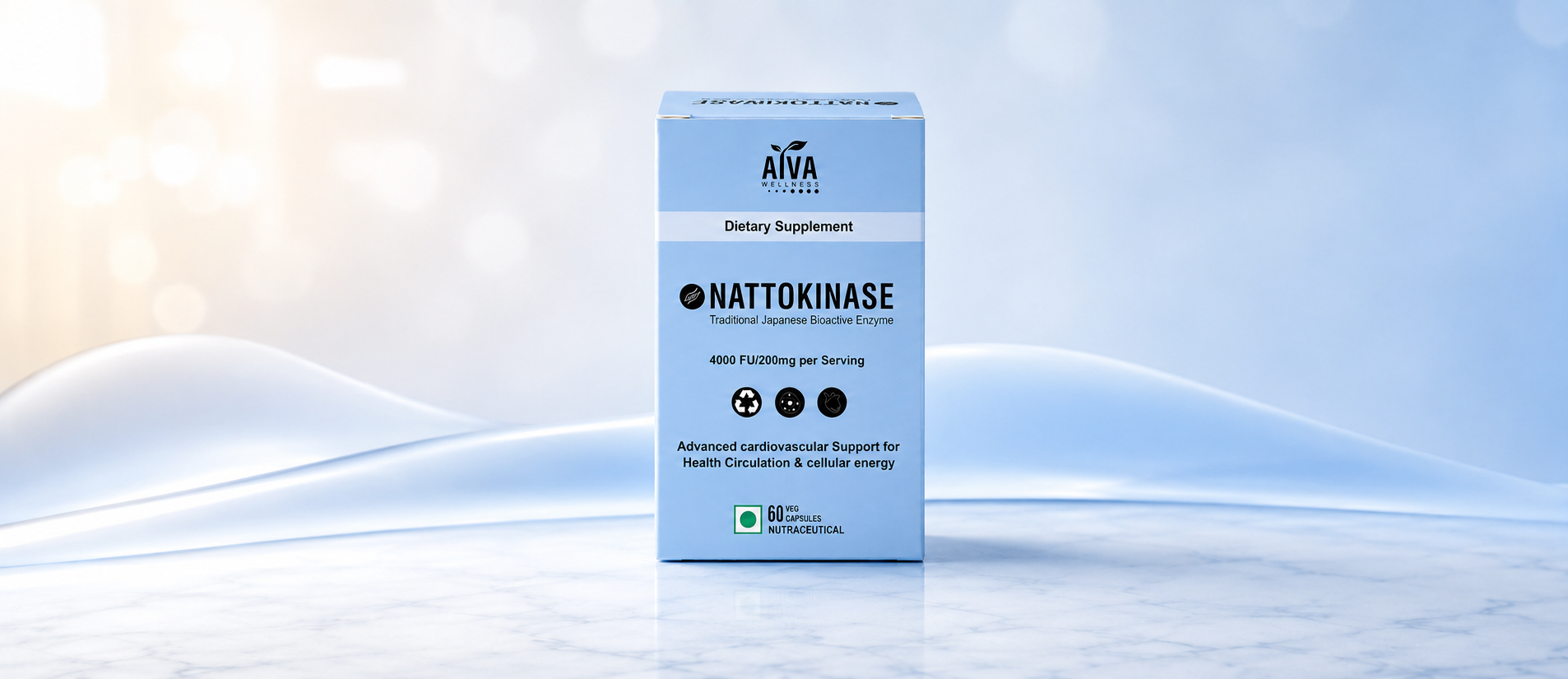
Nattokinase is an enzyme extracted from natto, a traditional Japanese food made by fermenting boiled soybeans with the bacterium Bacillus subtilis. During fermentation, the bacteria produce this potent enzyme, which has been consumed safely as part of the Japanese diet for centuries.
In supplement form, nattokinase is standardised and concentrated so you get a consistent, measured dose without needing to eat natto itself — which, admittedly, has a distinct smell and texture that isn't for everyone.
Natto itself has been part of the Japanese diet for centuries, but the enzyme responsible for many of its effects was only identified in 1980, when Japanese researcher Dr. Hiroyuki Sumi was screening natural foods for compounds that could dissolve blood clots in the lab. Nattokinase's fibrinolytic activity stood out from everything else he tested. It's a protein made up of 275 amino acids and, despite its name, it isn't actually a "kinase" enzyme in the strict biochemical sense — it belongs to a group called serine proteases.
Why Nattokinase Is Linked to Heart Health
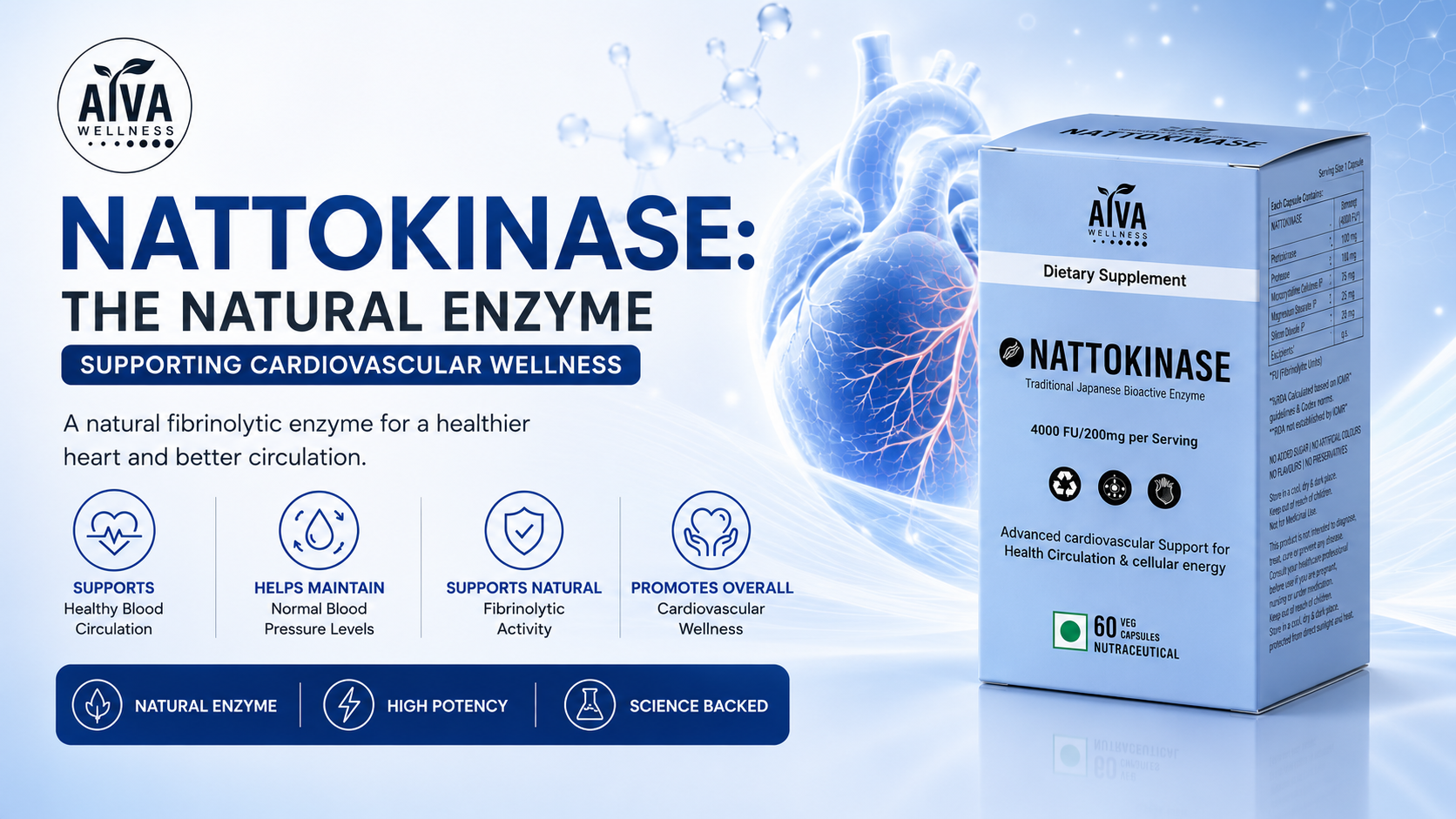
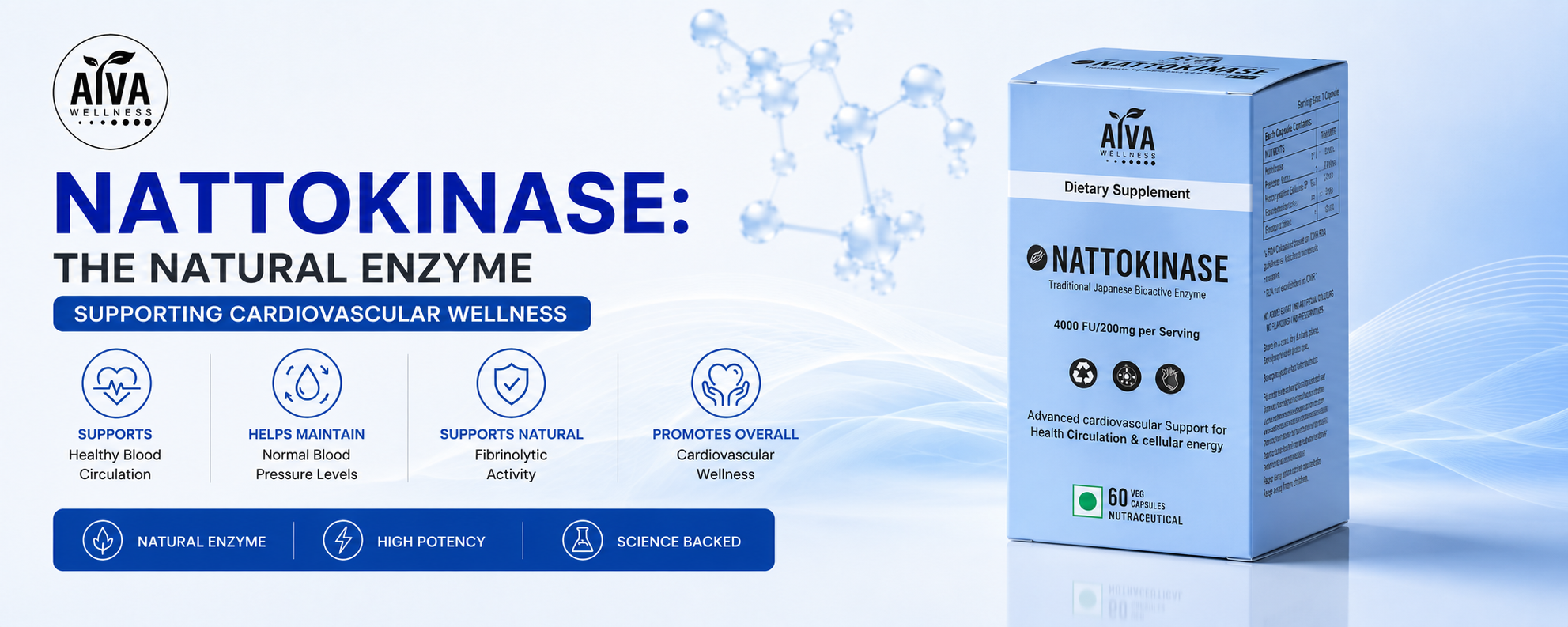
Healthy circulation depends on blood that flows freely through your vessels. Nattokinase belongs to a class of enzymes known as fibrinolytic enzymes — compounds that support the body's natural process of breaking down fibrin, a protein involved in blood clot formation. This is the main reason nattokinase has drawn attention from researchers and wellness practitioners studying cardiovascular support.
Laboratory research suggests nattokinase can work in two complementary ways: by directly breaking down fibrin strands, and by supporting the body's own clot-clearing pathway — the plasminogen-to-plasmin system that naturally keeps blood flowing. In test-tube studies, its clot-dissolving activity has measured several times stronger than plasmin, the enzyme your body produces for the same purpose. It's worth noting that lab findings like these don't always translate directly into the same magnitude of effect inside the human body, which is why human clinical trials — covered below — matter so much.
- Supports healthy blood flow — by assisting the body's own fibrin-clearing processes.
- Complements a heart-conscious lifestyle — best used alongside regular movement, a balanced diet, and routine check-ups.
- May support already-normal blood pressure — an area of ongoing scientific interest.
- Naturally derived — sourced from a fermented food with a long history of dietary use in Japan.
"A healthy heart isn't built in a single supplement — it's built in daily habits. Nattokinase is one small, natural piece of that larger picture."
What the Research Shows
Nattokinase is one of the more studied food-derived enzymes in cardiovascular research, though the evidence base is still smaller than for well-established treatments. Here's a balanced look at where the science currently stands:
In short: the strongest, most reproducible evidence is for a modest supportive effect on already-normal blood pressure. Findings on cholesterol, long-term artery health, and stroke prevention are preliminary, and researchers agree that larger, longer human trials are still needed before firmer conclusions can be drawn.
How Nattokinase Is Typically Used
Nattokinase is usually taken as a capsule, ideally on an empty stomach so the enzyme can be absorbed efficiently before food intake slows digestion. Because it's a fermentation-derived enzyme rather than a synthetic compound, it fits comfortably into a daily wellness routine for most healthy adults.
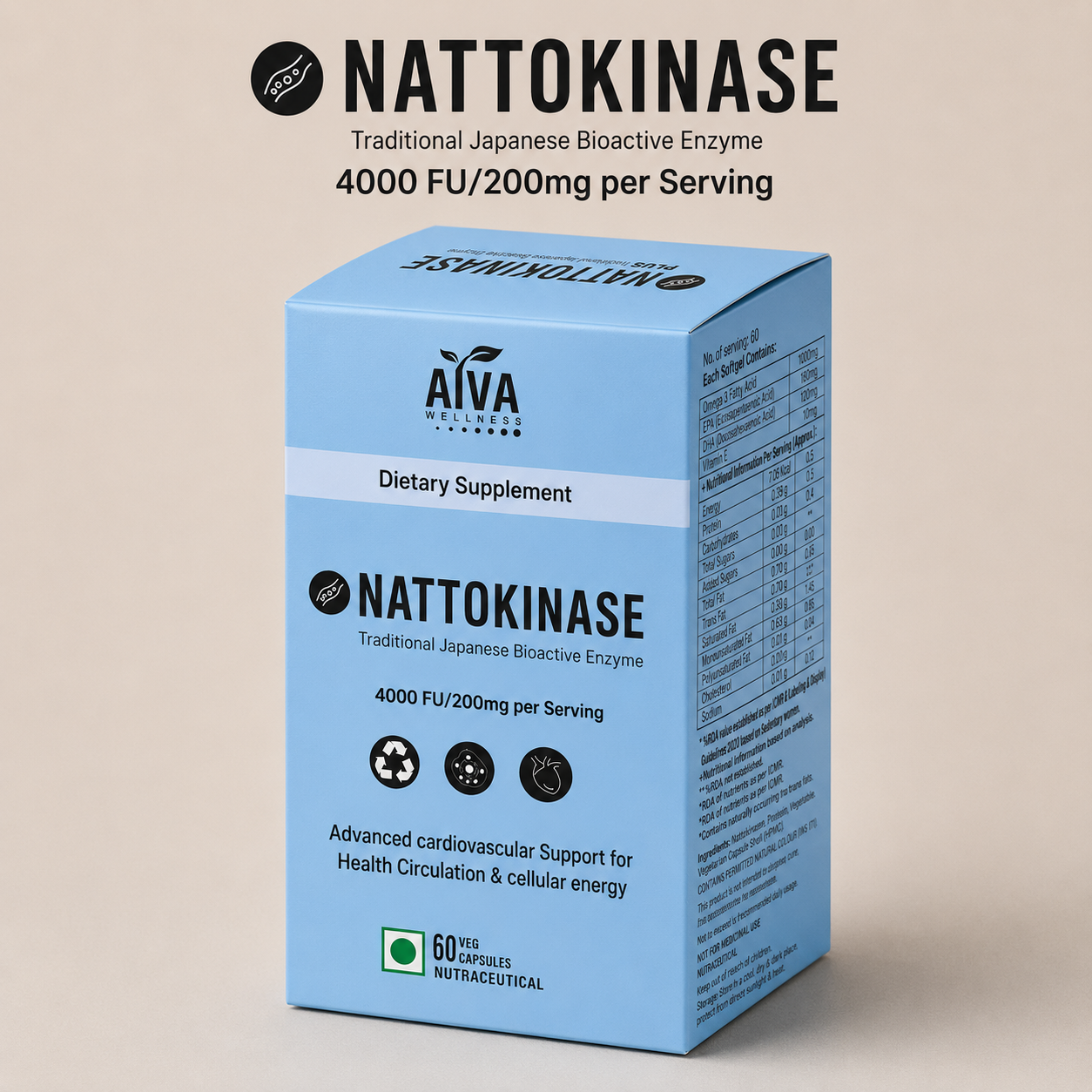
Potency is measured in Fibrinolytic Units (FU) rather than milligrams alone, since this reflects the enzyme's actual activity rather than just its weight. Most published research on blood pressure and circulation has used around 2,000 FU (roughly 100 mg) once daily, generally for 8 weeks or longer — a useful reference point when reading a product label, though it isn't a personal dosage recommendation.
That said, enzyme potency and appropriate use can vary from person to person — especially for anyone already on blood-thinning medication or managing a diagnosed heart condition.
This article is for general educational purposes and is not medical advice. Nattokinase may interact with blood-thinning medications and is not suitable for everyone — this includes people with bleeding or clotting disorders, those scheduled for surgery, and anyone with a history of stroke. Please consult your doctor before starting any new supplement, particularly if you are pregnant, breastfeeding, on medication, or managing an existing health condition. Always follow the dosage on the product label.
Choosing a Quality Nattokinase Supplement
Not all nattokinase capsules are created equal. Potency is typically measured in Fibrinolytic Units (FU), and quality matters just as much as quantity. When choosing a supplement, look for:
- Standardised potency — so every capsule delivers a consistent, verifiable amount of active enzyme.
- No unnecessary fillers or binders — a clean capsule means nothing dilutes the active ingredient.
- Third-party tested manufacturing — for purity, safety, and consistency batch after batch.
- Clear soy and vitamin K labelling — the purified enzyme itself carries negligible soy protein and vitamin K2, but transparent brands confirm this on the label, which matters if you're soy-sensitive or on warfarin-type medication.

Frequently Asked Questions
It's a serine protease enzyme produced when soybeans are fermented with Bacillus subtilis var. natto to make natto, a traditional Japanese food. The enzyme only forms during fermentation — raw soybeans don't contain it.
Most trials on blood pressure and circulation used around 2,000 FU (about 100 mg) once daily for 8 weeks or more. This is a research reference point — always follow your product label and a doctor's advice for your own situation.
Nattokinase can theoretically raise bleeding risk when combined with anticoagulant or antiplatelet drugs. If you take blood thinners, have a clotting disorder, or have upcoming surgery, speak with your doctor first.
Typically on an empty stomach, since food can slow the enzyme's absorption — many people take it first thing in the morning or between meals as part of a consistent routine.
The Takeaway
Nattokinase is a compelling example of how traditional foods can inform modern wellness routines. Rooted in centuries of Japanese dietary history and studied for its role in supporting healthy circulation, it's a natural addition worth discussing with your doctor — especially if cardiovascular wellness is already on your radar.
Referenced Research & Sources
- Wikipedia — Nattokinase
- Memorial Sloan Kettering Cancer Center — Nattokinase, About Herbs database
- Kim JY, et al. (2008). Hypertension Research — Effects of Nattokinase on Blood Pressure: A Randomized, Controlled Trial
- ScienceDirect Topics — Natto: an overview